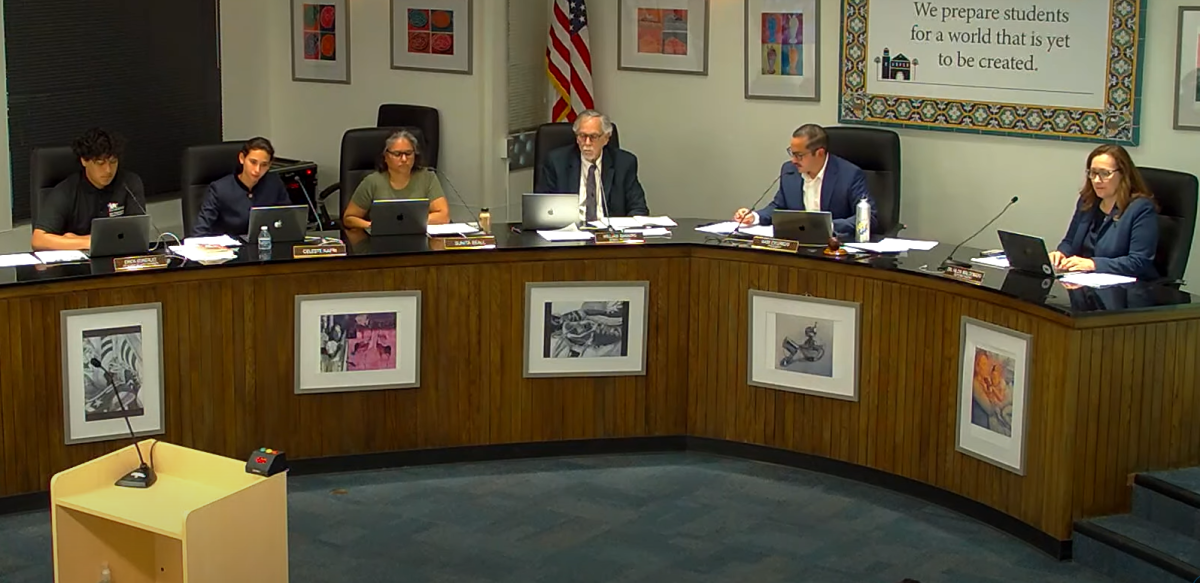

The Santa Barbara school district will be implementing changes for the 2026-27 school year surrounding student and teacher technology use. In the Santa Barbara Educational Board meeting at the Santa Barbara Unified School District office on May 17, SBUSD Chief Operations Officer Steve Venz presented the findings of a Balanced Learning and Technology Task Force investigation of student iPad use, along with recommended actions for the school board. The task force presented data from student and teacher surveys, and 25 parents spoke in support of implementing Los Angeles Unified School District’s “Tech with Intent” policy for the 2026-27 school year.
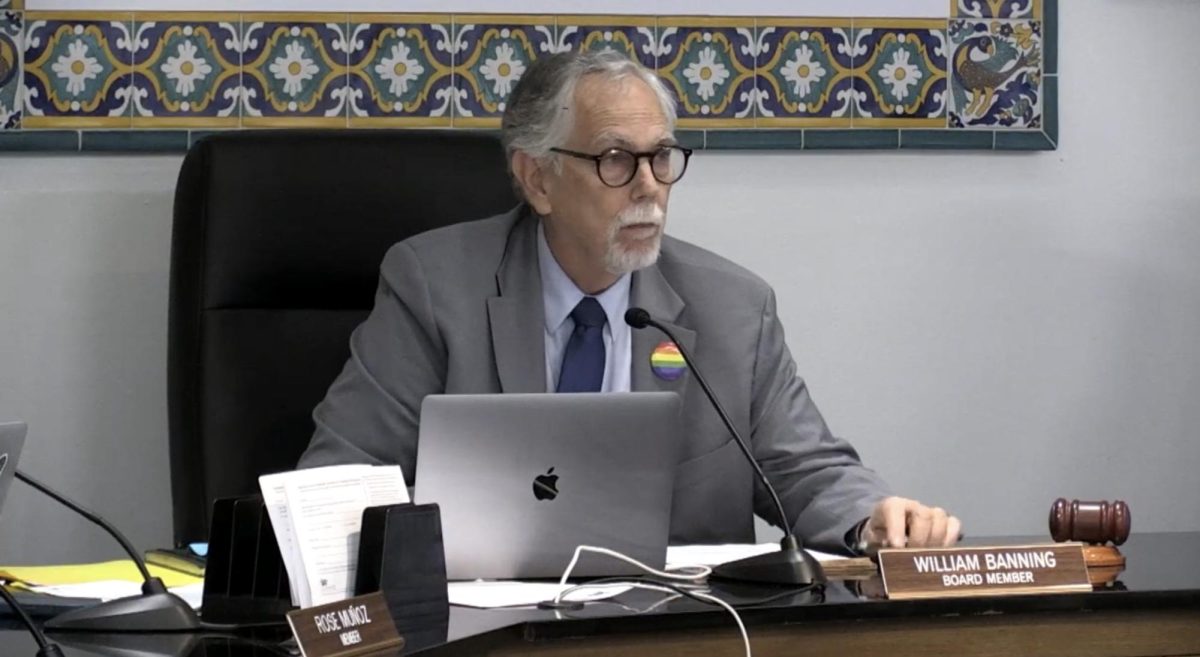
“I think we all have the same concerns and fears and desires for our kids,” board member William Banning said. “[A policy] has to be unified, and it has to start with people.”
The findings of the report included three recommendations that, pending board approval, will roll out for the 2026-27 school year in the SBUSD. These include blocking personal Apple IDs on student iPads, blocking YouTube access on student iPads, and requiring teachers to have training with Jamf, an Apple device management system.
“We’d like to [block YouTube] by the beginning of the school year,” Venz said.
Additionally, the task force had some recommendations that faced logistical challenges, such as new “on-device filters” for junior high student iPads, according to Venz.
“At this time, the on-device filtering rollout is planned for junior high students next school year. Expansion to high school students has not yet been finalized and will depend on evaluation of effectiveness, student needs, and implementation considerations,” Chief Communications Officer Ed Zuchelli clarified in an email after the board meeting.
The task force also seeks to bring in an auditor to “analyze systems” within the school district. The organization brought in is expected to have “cybersecurity expertise”, according to Zuchelli. The task force hopes to pilot these recommendations next school year.
“How do we look to our teachers and ask them: ‘In your classroom … are you using technology in a way that you think is really transformational for learning?’” board trustee Sunita Beall said.
Currently, at Goleta Valley Junior High School and La Colina Junior High School, students are required to keep their cellphones in signal-blocking pouches at all times, including non-academic times like lunch and passing periods. At Dos Pueblos High School, school-issued iPads are to remain in backpacks unless currently being used for a class activity. Students are required to put cell phones away in “cell hotels” and other personal devices have to be “off and away” during instructional time.
Parents of students and community members spoke at the meeting and held signs reading “Let’s not leave students to their own devices,” “Tech with Intent,” and “pencils not pixels”.
“We are no longer in the throes of a global pandemic, and it’s time to reform our tech use with intention,” parent speaker Heather Barlem said.
One issue that was brought up by survey responses and community speakers at the meeting was equity. According to the report, low-income students are more affected by iPad restrictions than students with personal devices at home, though some parents disagreed with that finding.
“It is less equitable to send devices home when kids have unfettered access, and we can easily get data on what kids are using their iPads for at home,” board trustee Celeste Kafri said. “More access to tech actually harms low-income kids more.”
The next meeting of the task force was May 26 at the SBUSD office. There, the task force discussed implementation plans and worked toward obtaining a board resolution about tech policy.