
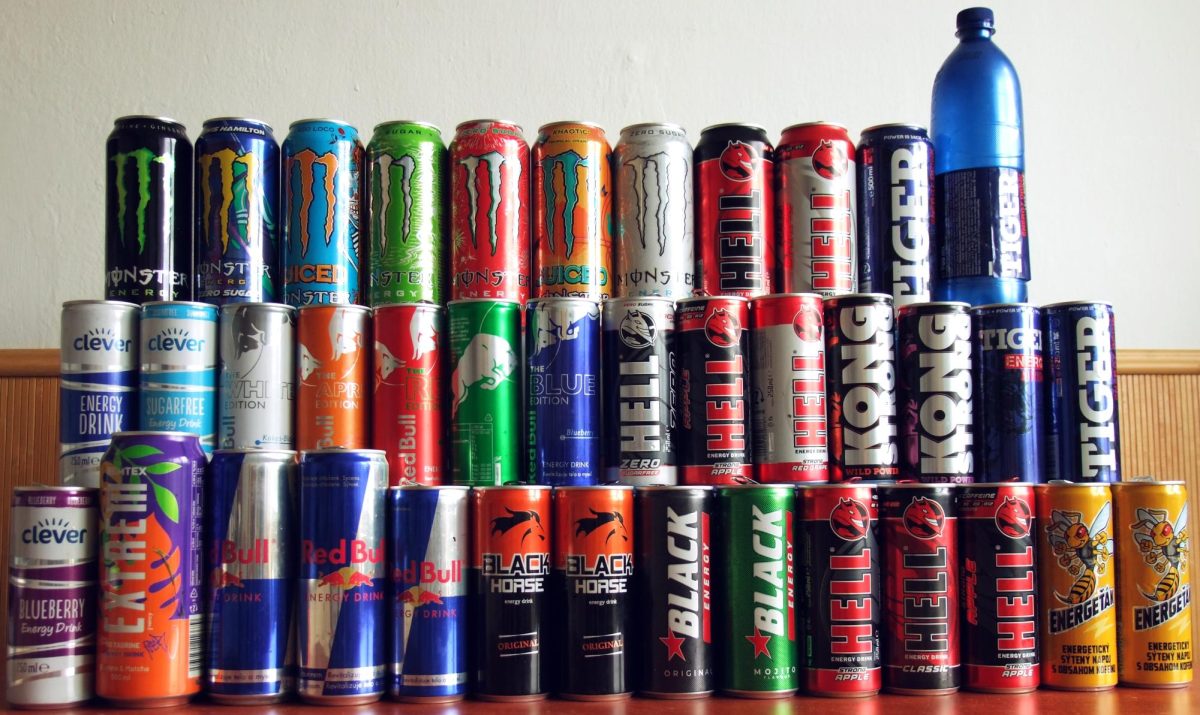
Like it or not, energy drinks appear everywhere, from billboard advertisements to classrooms. Many Dos Pueblos High School students drink them, and they are impossible to ignore, but consuming them is a quick and easy way to develop health issues.
When I first heard about energy drinks, I had a vague, but incorrect idea about what the beverage actually was. I assumed that energy drinks were “health drinks” due to their brands being plastered on all sorts of sports teams jerseys.
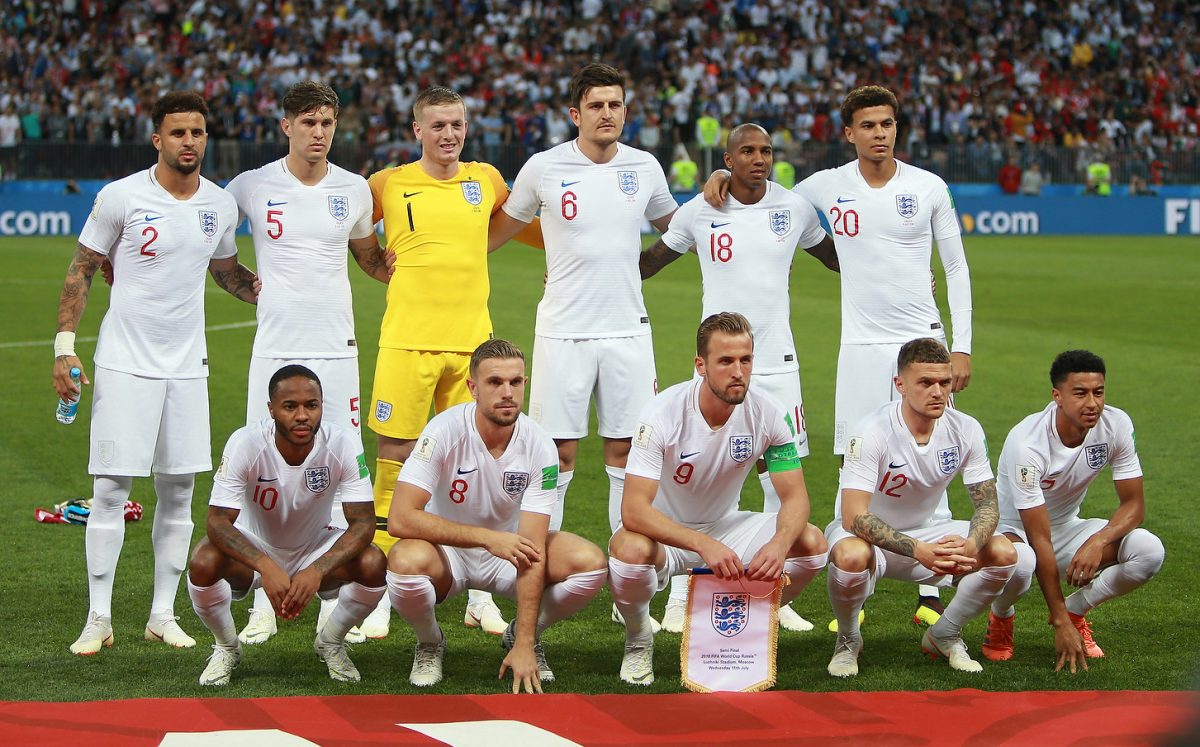
For example, Red Bull has plastered their logo on jerseys across the world whether in the German Bundesliga, the English Premier League, Major League Soccer, the Austrian Bundesliga, Campeonato Brasileirao Serie A, or Formula 1.
One day, influenced by the energy drink logos that I saw everywhere, I went to Costco Wholesale. I stopped in the drinks section, and there it was right on the shelf—Bai Wonderwater.
“Why not try it,” I thought to myself. “It will do wonders for me.”
When I got home from Costco, I took my first sip of the drink and was immediately addicted; it blessed my tastebuds, and soon, one drink turned into two, two into three, then three into four. What I didn’t know was that each bottle of the energy drink contained over 30 milligrams of caffeine, so by the time of soccer practice, I had consumed over 120 milligrams of caffeine.
Once practice started, my heart began pounding; I felt like it was going to explode, and with every movement my heart tensed up. Instead of focusing on the practice, I was stuck wondering if there was seriously something wrong with me. By the end of practice, I was just grateful that I made it through alive.
That moment changed how I viewed energy drinks forever. Since then, I have not touched Bai and have made a promise to myself that I will never ever touch an energy drink in my life, as energy drinks often contain more caffeine than what I consumed over the course of that heart-beating day. In his song “For the First Time,” Mac Demarco said, “It’s just like seeing her for the first time, again.” That’s the feeling I get every time I see an energy drink now.
The marketing of products like this are insanely misleading as well. Companies target athletes like myself by claiming that their drinks offer a performance boost in the form of antioxidants, but in reality, they only derail performance as a result of their heavy inclusion of caffeine.
A single Ghost Energy drink can contain a whopping 200 milligrams of caffeine, almost double the amount from the four Bai drinks I consumed that day. Sure, this amount of caffeine could give you the much-needed boost to get through the day and through your late-night homework — but it comes with real risks. This amount of caffeine can result in sleep insomnia and even issues for your cardiovascular system. Additionally, the energy that these drink companies promise doesn’t last. The boost is temporary and leaves you susceptible to crashes later in the day. When the crash hits, you will all of a sudden go from being as energized as ever to feeling fatigued, as if you took a sleeping pill. So ask yourself, is this temporary energy boost really worth all of the risk to your health?
Despite these concerns, energy drinks still remain incredibly popular among students at Dos Pueblos High School. DPHS student Najma Swan-Abdullah (11) shares experience with these beverages.
“Energy drinks help me stay awake and they taste nice,” Swan-Abdullah said. “I have a lot of trouble staying awake … and if I need to cram for a test or need to stay up late doing homework, energy drinks help me do so.”
While they may benefit students in late-night study sessions, the excessive amounts of caffeine and sugar in energy drinks should make all students avoid them completely. Some variations of Rockstar Energy contain over 80 grams of sugar in a single serving on top of the heartburning 250 milligrams of caffeine. For reference, the American Heart Association recommends a daily limit of 36 grams of sugar. That means that one can of Rockstar Energy can send you over the recommended limit in just a few sips.
This amount of sugar is linked to rapid spikes in blood sugar, causing headaches and irritability, as well as crashes. When consumed daily, this amount of sugar is linked to various medical conditions such as obesity, type 2 diabetes, high blood pressure, fatty liver, accelerated skin aging, and dental issues. If you want to save yourself tons of money in medical bills, then stay away from energy drinks!
On top of this, energy drinks often contain a variety of artificial food dyes. From Red 40 to Yellow 5, these dyes are directly linked to hyperactivity in young children, which has led to numerous countries like Iceland banning food dyes, and other countries requiring warning labels for products containing these dyes. If other countries are cautious around food dyes, then so should we.
All in all, whether you are an athlete, an aspiring student, a foodie, or something else, there is one step that you can take to live a healthier lifestyle and that is taking energy drinks out of your diet. Spread the message and let’s all be healthier together.