
Fans of singer-songwriter Olivia Rodrigo have eagerly awaited her third studio album, “You Seem Pretty Sad for a Girl So in Love,” since Rodrigo teased a new direction for her music. After having previously gained fame for her punchy breakup songs, Rodrigo is now leaning towards love songs, explaining in her fan newsletter that whenever she attempts to write love songs, “they always turn out a little melancholy.”
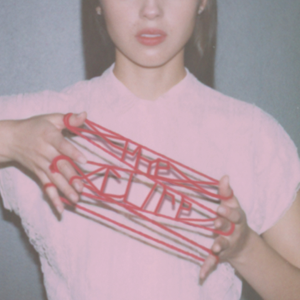
On Friday, May 22, 2026, Rodrigo released a new single off her new album, titled “The Cure.” With its heartfelt lyrics, well-crafted instrumentation, and meaningful message, “The Cure” constructs a well-built bridge into Rodrigo’s fresh and mature music style.
The five-minute indie-rock track features Rodrigo’s anguished voice layered over acoustic guitar strumming as she sings about relying on a romantic relationship to heal her personal despair, only to realize it’s all in vain as she continues being wrapped up in her inner turmoil despite being loved.
“My head is full of poison / And my heart is full of doubt / I got toxins in my bloodstream / You tried hard to suck them out,” Rodrigo sings in her new single. “And it feels like medication / And it’s good for me, I’m sure / But it don’t matter how your love feels anymore / It’ll never be the cure.”
Rodrigo’s lyrics for “The Cure” are masterfully written. Her use of medical terminology to describe her emotional pain and her attempts to relieve it through romance paint a beautifully devastating picture, capturing her struggles in a relatable extended metaphor. Rodrigo’s portrayal of such a heavy realization is at once poetic but isn’t afraid to shy away from the harshness of self-hatred — indeed, insecurities are like venom, and by addressing them as such, Rodrigo adds a tremendous amount of emotional depth and intricate tragedy to “The Cure.”
Throughout the track, Rodrigo explores the effects of crippling self-doubt — endlessly comparing herself to other young women, feeling isolated, and suppressing “bad thoughts” at night — creating a brutally relatable experience for her listeners.
Rodrigo’s description of obsessively manipulating romance to act as an “antidote” or “cure” without emphasis on the relationship itself further elevates her portrayal of the harm that arises from desperately reducing a relationship to a potential fix to problems outside of said partner’s control.
Her use of repetition in her lyrics applies an artistic serving of crescendo to the song, warning listeners of an inevitable breaking point. Rodrigo skillfully illustrates how such relationships can cause mental health to deteriorate and expertly weaves her downfall into the song’s lyrics, proving it with a heartbreaking yet glorious punch to the gut.
“It’s a much softer song and it has a nice buildup — it goes up, up, up, and then you hit a point in the song where it starts slowly coming down as the reflection starts to seep into how she feels about it,” Luke Drake (10) said. “I think it’s really good.”
Drake first discovered Rodrigo’s music after they heard her 2021 single “Drivers License” on the radio. Since then, Drake continued to follow Rodrigo’s songs and collect her vinyl records alongside their sister, who is also a fan, according to Drake.
Drake recognizes that Rodrigo adopts a noticeably “softer tone” and heavily relies on acoustic guitar strumming in “The Cure,” creating a different atmosphere from her previous songs.
Although acoustic guitar is most well-known for creating a more gentle, held-back sound, Rodrigo uses it to add steady, rhythmic strumming to “The Cure,” constructing an ambience that harmonizes mellowness with a strong build. In a way, the song resembles a heartbeat, which is a genius move, reinforcing the song’s medical metaphor.
Orchestral accompaniment further embellishes the song’s pensive atmosphere. Their underlying harmonies, combined with Rodrigo’s overlapping vocals brings a wonderfully melancholic sound to the song’s bridge and conclusion. The violin solo in the coda is the perfect end to the song — sweet and simple yet full of depth.
The gradual addition of instruments and harmonies throughout the single brings a skillful execution of buildup as Rodrigo’s singing climbs towards the song’s breaking point. This way, the song immerses its listeners in the song’s vivid and bold storytelling, making it a thoroughly enjoyable yet gut wrenching experience from start to finish.
Overall, the thoughtfully assembled instrumentation of “The Cure” effectively helps amplify the gravity of the song and its meaning. The musicality is complex and well supports Rodrigo’s singing, being the incredible finishing touch to an already remarkable song.
Rodrigo’s message is both incredibly powerful and tremendously significant to share. During an era which attempts to help teenagers recover from rising levels of mental health struggles while simultaneously selling them the fantasy of “happily ever after,” Rodrigo’s message that immediate and complete help with healing cannot be expected of anyone is a sharply profound and important reminder that reflection and self-acceptance come first.
“I feel like reflection’s a really important part of life and that you need it in order for growth and maturity,” Drake said. “So the more you can find areas to grow in, with relationships or another issue that you have, it’s a really good thing.”
Not only does “The Cure” tell a relatable and familiar story of self-doubt and insecurity, but it also pushes its listeners to look beyond depending on relationships for fulfillment, promoting healthier relationships and self-love.
Rodrigo’s raw and blistering message is delivered in a package that feels authentic and thoughtful. Her cautionary tale about relying too heavily on romance to bring happily-ever-afters is wrapped in powerful lyrics and incredible instrumentation. “The Cure” is a sensational auditory experience and another clear success for Rodrigo’s career.
I first discovered Rodrigo’s music in 2021 after hearing her song “Hope Ur Ok.” I was instantly captivated by its emotional depth and clever use of metaphors. Afterward, I went home and immediately listened to the rest of Rodrigo’s “SOUR” album, fascinated by her exquisitely written lyrics and musical passion.
At the time, her music resonated with me deeply because I was struggling through toxic friendship after toxic friendship — I had believed my “friends” were all I had, and losing them felt like I was being left with nothing. Rodrigo’s songs, many of which explored the feelings that arose after toxic relationships and breakups, provided a space for my frustrations, especially after ending a particularly harsh friendship with someone I had considered to be my closest friend.
Ironically, that same friend, along with the rest of our friend group, went to Rodrigo’s 2022 concert at the Santa Barbara Bowl without me, claiming I “wasn’t a fan” — but even as I entered middle school and my music taste shifted away from music in Rodrigo’s genre, I continued to listen to her songs. As I slowly moved on from grieving over my old clique, I gravitated towards those of Rodrigo’s songs that weren’t related to breakups — songs such as “Lacy” and “So American.”
For me, Rodrigo’s rebrand feels like a perfectly executed start to a new era. As my generation of Livies — who came with Rodrigo’s surge in fame after her 2021 release of the SOUR album and have since stayed — matured, so has Rodrigo’s music, as evident by the change in topic and style.
“The Cure,” as well as her recent single, “Drop Dead,” shifts away from the general anger and vague sadness that characterized the early “SOUR” album, instead focusing on more complex messages not quite explored yet by Rodrigo.
I’ve moved on from just feeling plain upset — I’m at an age when I’m realizing relationships cannot fix every insecurity or problem, which happens to be just what “The Cure” is about.
It’s nice to be able to enjoy and connect with music from an artist who was once extremely influential to me, but whom I was afraid of growing away from. Ironically, Rodrigo’s new music feels less like discovering someone new and more like growing alongside an old friend.
Drake said they also believe that “The Cure” marks a new shift in maturity in Rodrigo’s music.
“I like Olivia Rodrigo’s music, although I felt like it was a lot of breakup-heavy songs and there wasn’t really anything in between from that,” Drake said. “So a reflection on that is just really nice [to] hear and see from an artist that has been so focused on the breakup music.”
Yet, Rodrigo continues to maintain her authentic self throughout the change. At heart, her songs are still about the struggle for acceptance and connection, and her personality and voice still shine through her carefully crafted songs. Rodrigo’s authenticity and familiarity even through change gives her a powerful combination of nostalgia and relatability for her teenage audience, allowing her to continue to be a great artist today.
“The Cure” is a well-written masterpiece representing a meaningful message with impactful lyrics and expert instrumentation. More importantly, it lays a strong framework for Rodrigo’s transition into her “You Seem Pretty Sad for a Girl So in Love” album, which is a welcome and refreshing change as she matures into a new approach to her music.
“Honestly, I’m pretty hyped for [the new album],” Drake said. “It’s been a while since she’s produced a new album, so I’m happy for it.”