
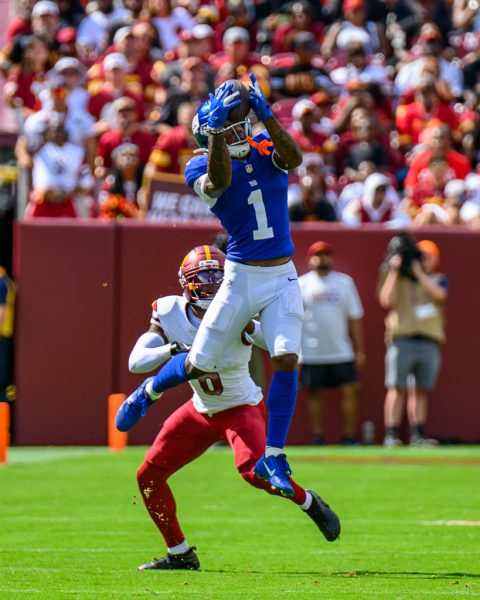
New York Giants rising star Malik Nabers’ season-ending ACL tear in September isn’t just a major blow to fans—it’s an alarming piece of evidence in serious non-contact injuries caused by artificial turf. The injuries could have been easily prevented by the adaptation of all-natural surfaces in sports stadiums across the country.
Time and time again, the National Football League has players go down on artificial turf, suffering injuries that don’t just rule them out for the rest of the season but can change the trajectory of a career. The NFL knows this. The players know this. The fans know this.
Currently, 15 of the league’s 32 teams have artificial turf fields. MetLife Stadium—home for the New York Giants and New York Jets—is one of the most notable examples, with 22 serious injuries since 2020.
This includes Aaron Rodgers’ season-ending torn Achilles tendon in Week one of 2023, which caused him to miss the remainder of the season, upsetting Jets fans in the process, who saw their franchise pay nearly $40 million to Rodgers, who had only played a few snaps the entire season.
One of the most well-known cases occurred in 2017, when Odell Beckham Jr., one of the league’s top players, suffered a season-ending broken ankle in Week five.
At that point, Beckham had already made his mark, making what many consider to be the “greatest catch of all time,” recording three straight 1,000-yard seasons, and earning All-Pro honors. However, since the injury, Beckham has never quite reached the same heights, recording just two more 1,000-yard seasons and never returning to All-Pro status, while bouncing from team to team.
Beckham’s story is a cautionary tale of wasted potential, not from a lack of effort, but from a lack of care from the NFL. Since his injury, Beckham has been an outspoken advocate against artificial turf. After Nabers’ injury, Beckham posted on X, formerly Twitter, pleading with the NFL to “get rid of the turf.”
These injuries on artificial turf are no coincidence, and the NFL Players Association found that artificial turf was significantly harder on the body than grass. NFL injury data collected from 2012 to 2018 showed players “had a 28% higher rate” of noncontact lower-extremity injuries on artificial turf than on grass. Additionally, players had a 69% higher rate of noncontact foot or ankle injuries on artificial surfaces than on grass.
The reason that artificial turf remains prevalent on half of the league’s fields comes down to cost. According to AP News, NFL teams that have artificial turf save tens of thousands annually. NFL owners view franchises as investments, and they’re willing to cut corners on player safety rather than do what’s best for the players.
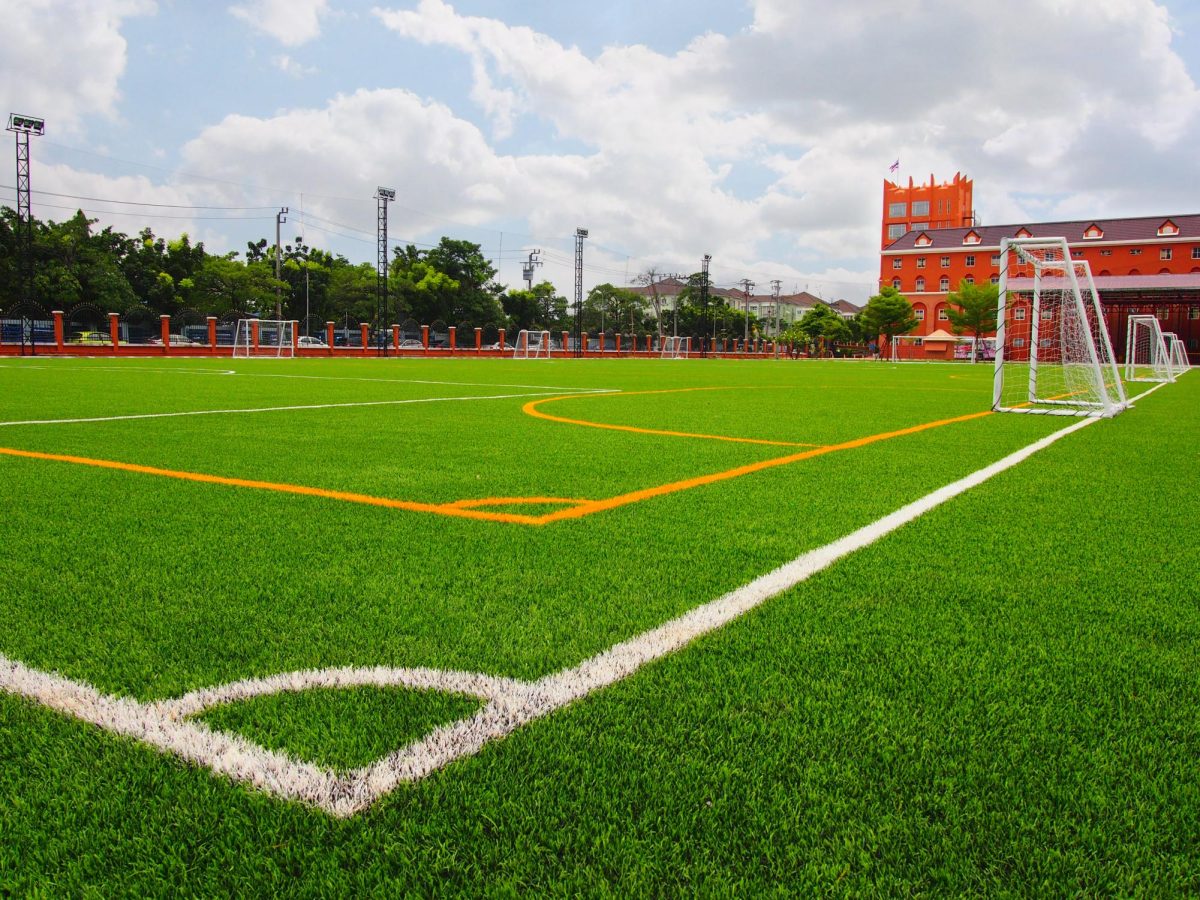
While NFL players are impacted by artificial turf, soccer players also experience the dangers of artificial turf. In February 2024, Santa Barbara Soccer Club standout striker Bridger Baltes suffered a serious leg injury on Dos Pueblos High School’s artificial turf.
As Baltes went to cut in for a shot, his cleat got stuck in the turf, breaking his leg and sidelining him for more than six months. This injury likely would have been prevented on grass, where the surface gives way instead of trapping a player’s foot. As a soccer player myself, I have had a bunch of close calls with my studs getting stuck in the ground, something that has never happened to me on natural grass.
Only time will tell whether the NFL—and fields across the country—decide to address the issues surrounding artificial turf by banning it. But until then, every time an athlete goes down with a noncontact injury, it will serve as a painful reminder that something has to change.