
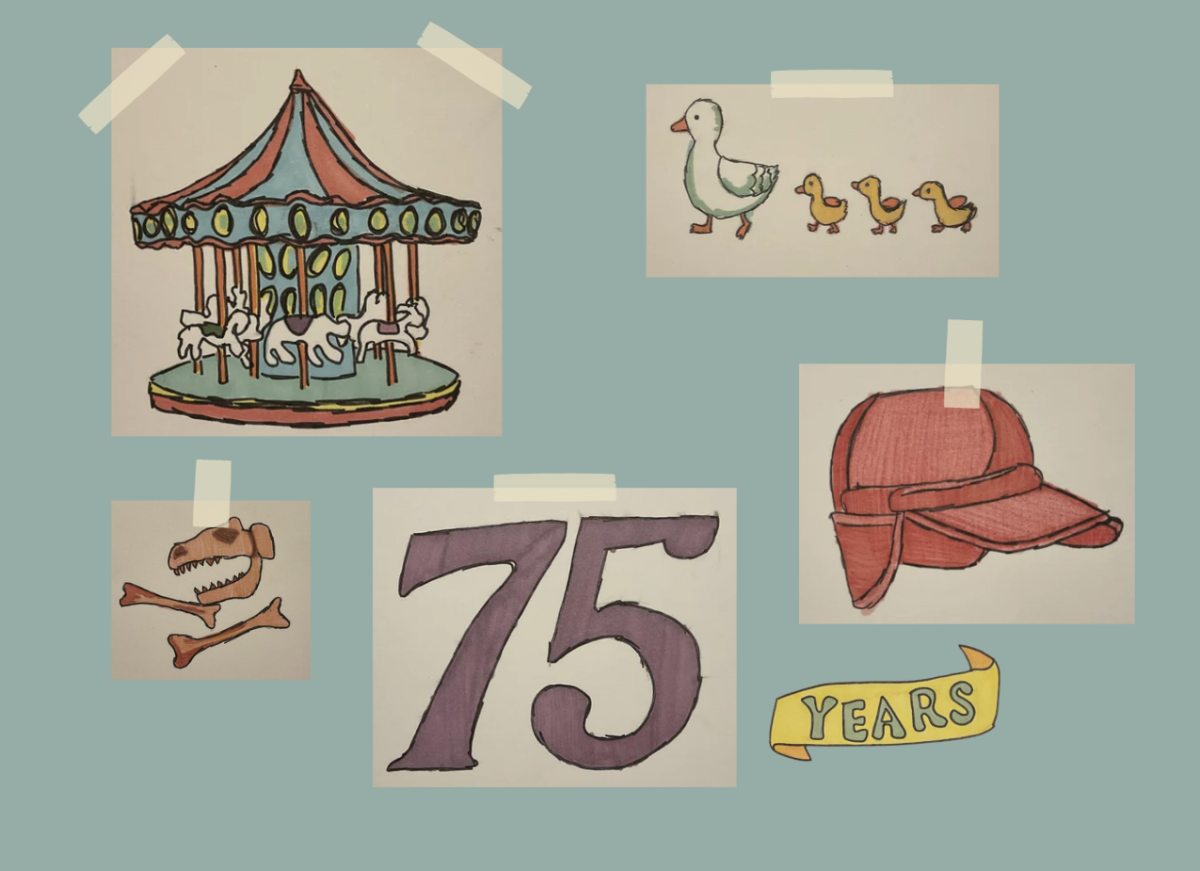
For generations, high school students have accompanied Holden Caulfield through a three-day escapade across New York City. Each year, “The Catcher in the Rye” by J.D. Salinger is assigned to hundreds of thousands of students across the country. First published in 1951, the novel turns 75 years old in 2026, and has remained a staple of high school English curricula.
“The Catcher in the Rye” follows 16-year-old Holden Caulfield’s aimless adventure following his expulsion from prep school. On his journey, Holden confronts the complexities of adolescence, mental health, and the challenges of maintaining personal integrity in a society he deems artificial.
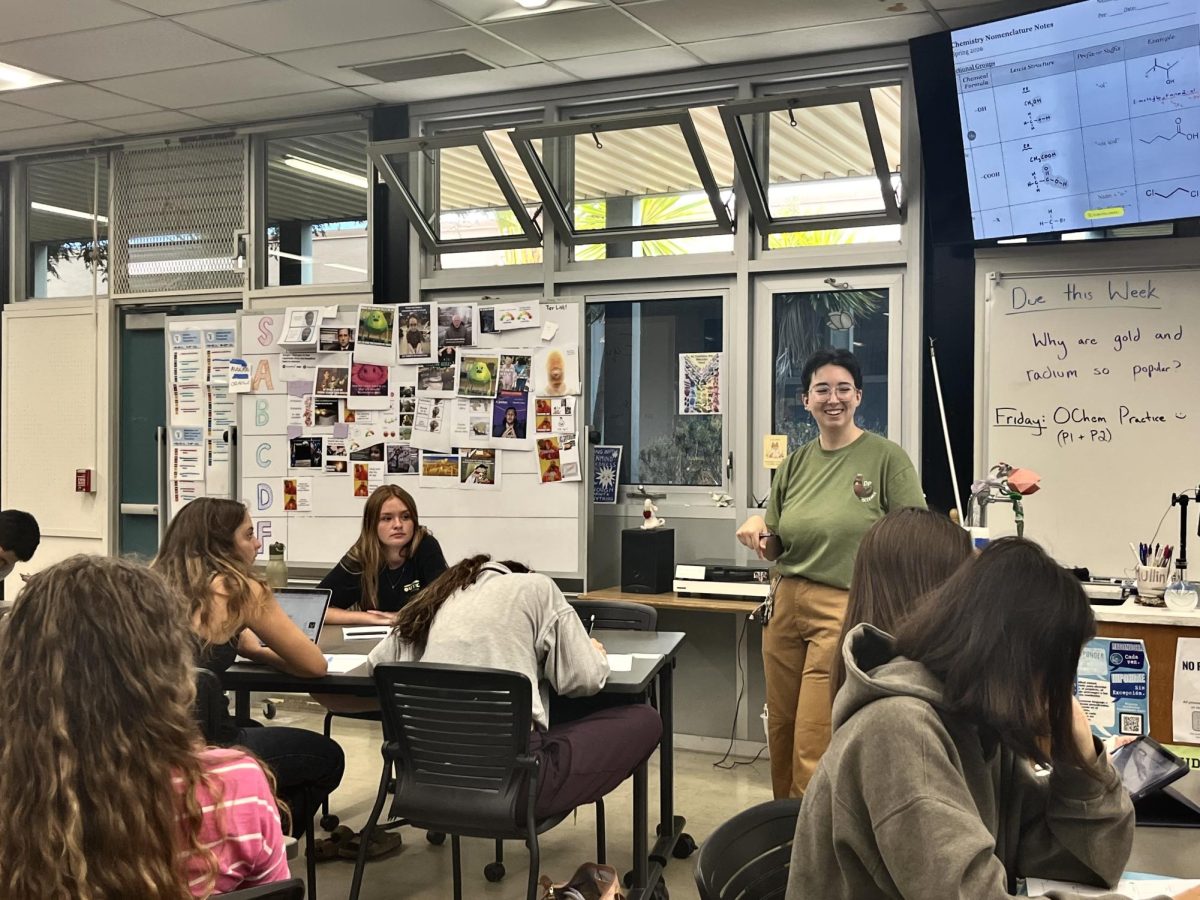
In English 10 classes at Dos Pueblos High School, “The Catcher in the Rye” is the first novel of the year. Lisa Koppenjan, an English 10 and Advanced Placement Literature teacher, said that it is “critical” to assign the novel to sophomores.
“Sophomore year is such a pivotal, transformative moment in the teenage experience,” Koppenjan said. “It’s why I love teaching sophomores. Sophomores are at this really vibrant stage of life [where they gain] personal independence. All of those maturing factors is such an interesting, transformative experience and they’re all the same things that Holden is trying to figure out. It just seems like a perfect fit.”
English 10 and English 11 teacher Vanessa Muñoz recalled her first semester teaching English 10. Usually her fourth-period students are “pretty tired,” but they were captivated by the novel.
“I remember just having to stop and pause because students were so engaged,” Muñoz said.
According to Koppenjan the “overwhelming majority” of students enjoy reading the book year after year. After completing “The Catcher in the Rye,” Koppenjan asks students to reflect on the novel, and in the past round of reading, only four students reported disliking it.
“By far, it’s the most successful book that I have taught,” Koppenjan said. “I mix it up to a degree in all my other classes and with all the other books. This is the only one that stayed consistent, because it’s the only one that had such positive feedback.”
Koppenjan said that she often observes students learn more about themselves through Holden’s eyes.
“At the end of Chapter one we always talk about Holden’s character and the reactions are strong, students do not like him,” Koppenjan said. “[As we read] we start to have compassion for him, sympathy, because we have understanding of why he is the way he is … [students] begin to connect with Holden, and say, ‘Oh, I’ve gone through that myself.’”
Muñoz has created a variety of assignments and activities for students to better connect Holden’s experiences to their daily lives. Because social media is so pervasive, Muñoz has students craft an Instagram post from Holden’s perspective. Muñoz also has students begin class by responding to a daily prompt which she then connects to the novel. For example, she asked students, “What’s a pet peeve [that you have]?”
The first aspect of “The Catcher in the Rye” that drew the attention of Seungyoo Kim-Jung (10) was Salinger’s writing style. Salinger incorporates elements of stream of consciousness, crafting a narrative almost entirely driven by Holden’s internal monologue.
“I remember thinking that the style it was written in was different from most novels I’ve read,” Kim-Jung said. ”I just got immersed into a whole new world because I was reading directly from Holden’s perspective and feeling everything he was.”
Kim-Jung was also intrigued by Holden’s faltering narration, and the intention behind the novel’s intricate symbols and motifs.
“[Salinger] wrote it [with an unreliable narrator] in first person which was quite unheard of,” Kim-Jung said. “He incorporated so many tools and symbols. It looks so intentionally placed. Combined it just feels like he wrote a masterpiece.”
However, Ruby Alonso (10) said she found “The Catcher in the Rye” to be a difficult read due to Holden’s consistent “repetitive nature” and “whiny” attitude.
“Being a teenager and the way he wanted love and sympathy from all these other people [was relatable],” Alonso said. “[But] he was a very big complainer and he dug himself into holes he couldn’t get out of.”
Alonso said that she knows many past students who enjoyed reading “The Catcher in the Rye,” but believes the novel fails to stay relevant.
“I think 20 years ago maybe [“The Catcher in the Rye” was significant], but now a lot of things have changed,” Alonso said. “There are still some themes that coincide … [but] it’s dated.”
Holden Caulfield’s personality was Alonso’s central qualm with the novel. Had it been “written with different characters,” she said, it would have been more enjoyable. Hansen Huang (10) faced similar issues with “The Catcher in the Rye,” rating it a “five out of 10” and calling Holden a “hypocrite.” Despite his moderate rating, Huang said that Holden’s experiences and the themes of the novel still resonated with him.
”I feel like younger generations are being forced to grow up faster and faster,” Huang said. “One of the main things in the book is that you have to be able to change, but you don’t have to pretend to be an adult immediately. Growing up is … not the same for everybody. I think that’s extremely relevant to how we’re all on that journey [of growing up] ourselves.”
Like Huang, Koppenjan believes that “The Catcher in the Rye” continues to stay relevant with teenage audiences because it grapples with issues many teens experience.
“Even though Holden is super whiny and extreme, the things he’s going through are real-world: depression, anxiety, disordered eating, sexual assault, peer pressure, academic pressure, bullying, [and] family drama,” Koppenjan said.
Since “The Catcher in the Rye” addresses many issues that affect teens within the DPHS community, Muñoz said she hopes Holden’s life experiences help students understand the value of reaching out to others.
“Throughout the novel we see Holden constantly reflect, [but fail to seek help]’” Muñoz said. “[I] give students that reminder that, yes, I’m here to teach content, but I’m also here to support you.”